
Singapore on a Plate: A 2026 Food Lifestyle Feature
In Singapore, food isn’t just something you eat—it’s a way of life. In 2026, the city’s culinary scene continues to evolve, blending deep-rooted traditions with modern creativity. From sizzling hawker stalls to Instagram-worthy cafés, Singapore remains one of Asia’s most exciting food destinations.
Where Tradition Still Reigns: The Heart of Hawker Culture
At the core of Singapore’s food identity are its iconic hawker centres—bustling open-air food halls where generations of cooks serve affordable, deeply flavorful dishes. Places like Maxwell Food Centre and Lau Pa Sat continue to draw locals and tourists alike.
Here, classic dishes such as Hainanese chicken rice, laksa, satay, and char kway teow remain staples, celebrated for their bold flavors and cultural significance.
What makes hawker food special isn’t just taste—it’s accessibility. Even in 2026, it remains one of the most affordable ways to experience world-class cuisine, despite gradual price increases in recent years.
What’s Trending: From Matcha Mania to Fusion Flavours
Singapore’s food trends in 2026 are driven by innovation and social media influence.
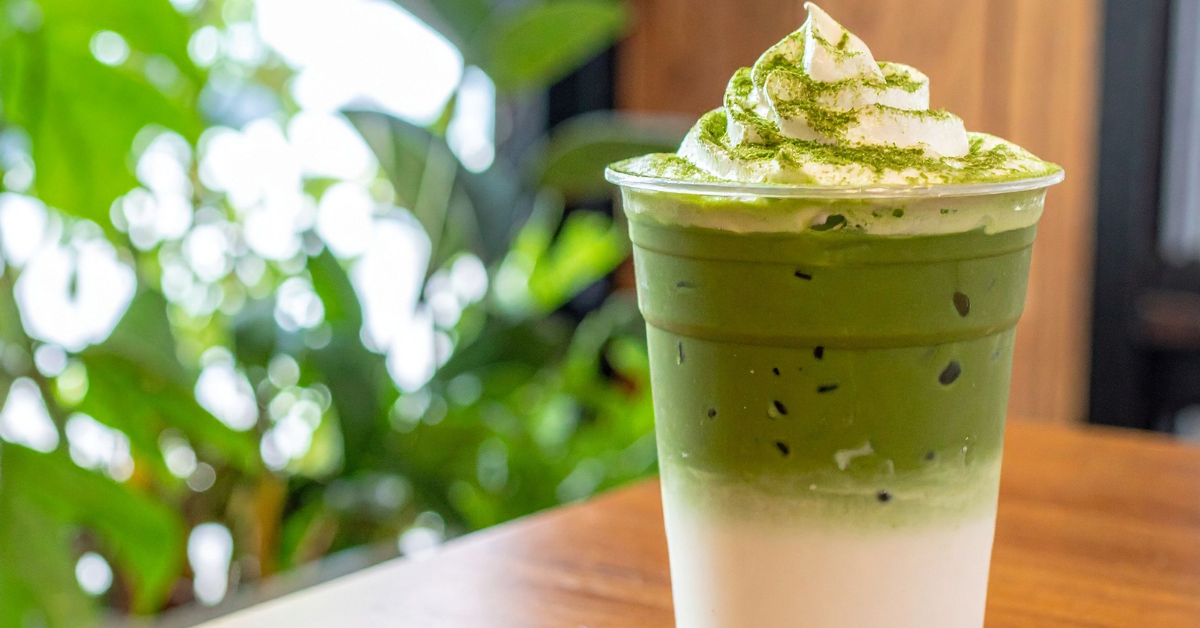
One of the biggest crazes? Matcha everything—from creamy lattes to desserts and layered drinks flooding cafés across the city.
At the same time, fusion cuisine (often called “Mod-Sin”) is redefining local food. Chefs and young hawkers are mixing traditional recipes with global influences—turning familiar dishes into something entirely new.
Even bubble tea is evolving, appearing in unexpected forms like pastries and cakes, proving that Singapore’s love for creative drinks is far from over.
A Greener Plate: The Rise of Sustainable and Plant-Based Eating
Sustainability is shaping how Singapore eats. In 2026, more chefs are focusing on local ingredients and eco-conscious cooking, reflecting growing awareness about food sources.
Plant-based meals are also gaining popularity, with more diners choosing meat alternatives and ready-to-eat healthy options that fit fast-paced urban lifestyles.
This shift isn’t just about health—it’s about balancing convenience, affordability, and environmental impact.
The New Generation: Young Hawkers Reinventing Classics
A new wave of young entrepreneurs is reshaping Singapore’s food culture. These “next-generation hawkers” are bringing fresh energy into traditional spaces—experimenting with flavors, branding, and even social media marketing.
Some stick to heritage recipes, while others push boundaries with creative twists. The result? A food scene that feels both nostalgic and forward-looking at the same time.
From Street Food to Fine Dining
Singapore’s culinary identity is unique because it bridges extremes. You can enjoy a $5 hawker meal in the morning and dine at a world-class restaurant at night—all within the same neighborhood.
The city is increasingly known for this balance, where hawker precision meets fine-dining sophistication, making it one of Asia’s top food capitals in 2026.
Even high-end restaurants are embracing a more relaxed style—transforming comfort food into refined, creative experiences.
The Taste of Singapore Today
In 2026, Singapore’s food scene tells a bigger story:
- Tradition lives on in hawker centres
- Innovation thrives in cafés and fusion dishes
- Sustainability shapes future dining habits
- Creativity drives the next generation of food makers
More than anything, food in Singapore reflects its identity—a vibrant mix of cultures, flavors, and ideas, constantly evolving yet deeply rooted in history.
Leave a Reply
Want to join the discussion?Feel free to contribute!