
The Hidden Cost of Success: Why Expats in Singapore Are Talking About Burnout
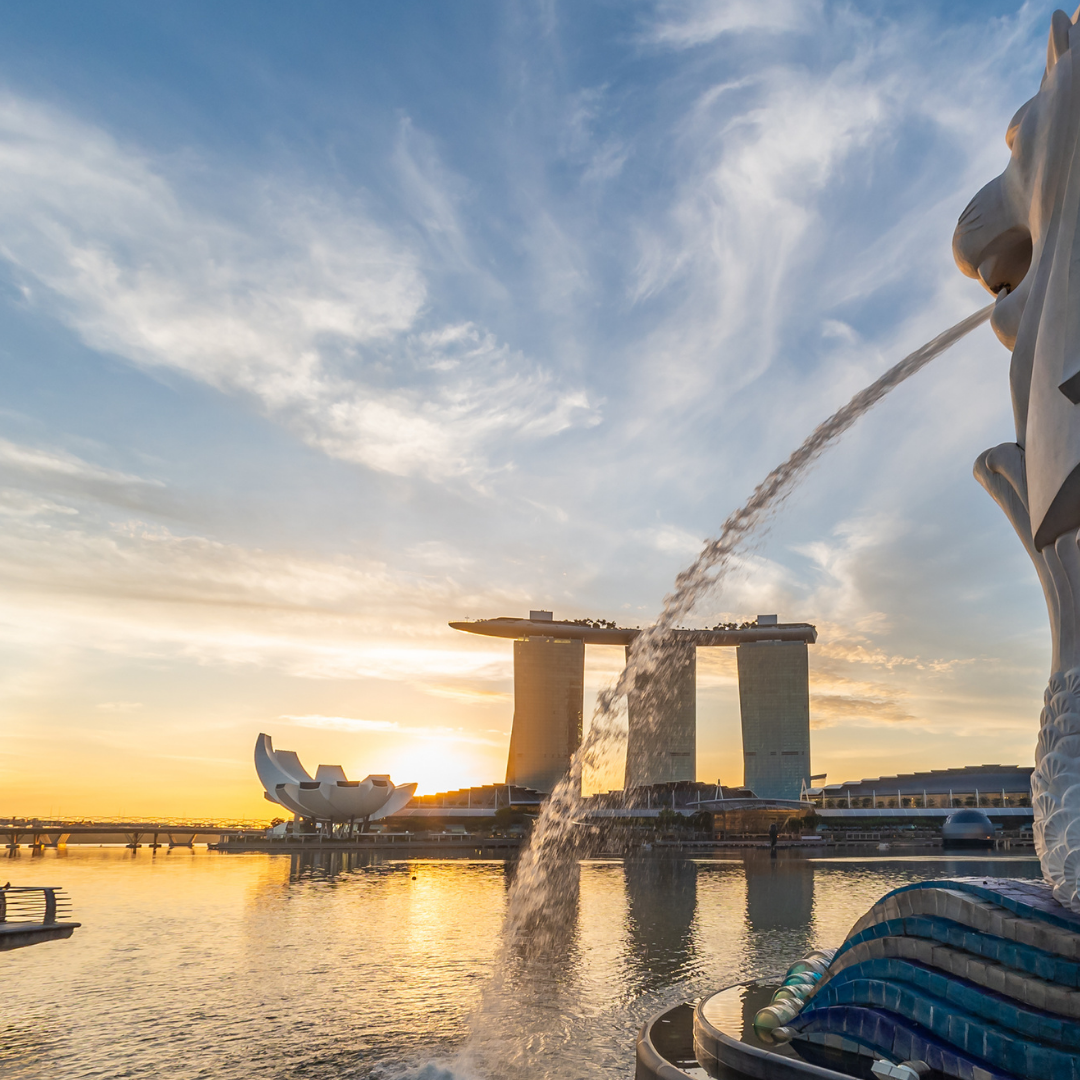
Singapore has long been seen as a global magnet for talent—a city where careers accelerate, opportunities multiply, and lifestyles appear polished and aspirational. But behind the skyline views and efficient systems, a different conversation has been gaining traction online: the rising cost of living and a growing sense of burnout among expats.
The Price of Living the Dream
At first glance, Singapore offers everything—safety, world-class infrastructure, and a thriving business ecosystem. But many expats are now openly discussing the financial pressure that comes with it.
Rent remains the biggest pain point. A comfortable apartment in a central area can easily take up a significant portion of monthly income. Add to that international school fees (for families), transport, dining, and daily essentials, and the cost quickly compounds. Even high earners are starting to feel that the margin between income and savings is shrinking.
What’s changed isn’t just the cost—it’s the perception. The idea that “Singapore is expensive but worth it” is being questioned more frequently.
Burnout in a High-Performance Culture
Alongside financial pressure, burnout has become a recurring theme. Singapore’s work culture is known for being fast-paced and results-driven. For expats, the pressure can feel even more intense.
Many relocate with high expectations—career growth, financial progress, and a better quality of life. But the reality often includes long working hours, demanding targets, and the unspoken need to constantly prove value in a competitive environment.
Without strong local support systems—family, long-time friends, or familiar communities—stress can build more quickly. Over time, this creates a cycle: work harder to justify the cost of being there, which leads to exhaustion, which then impacts overall well-being.
The Social Media Effect
What’s interesting is how these conversations are spreading. Platforms like LinkedIn, TikTok, and Reddit have become spaces where expats candidly share their experiences—both the highs and the struggles.
Some posts highlight the contrast between expectation and reality:
- “Great salary, but no time to enjoy it.”
- “Living in a world-class city, but constantly tired.”
- “Earning more than ever, saving less than expected.”
These narratives are resonating because they’re relatable. They’re shifting the image of expat life from purely aspirational to something more nuanced—and more human.
A Shift in Priorities
As these discussions grow, there’s a noticeable shift in how expats are evaluating their time in Singapore.
It’s no longer just about salary packages or job titles. People are asking:
- Is the lifestyle sustainable?
- Am I actually improving my quality of life?
- Is the trade-off worth it?
Some are choosing to relocate to countries with lower costs. Others are renegotiating work arrangements, seeking remote flexibility, or prioritizing mental health in ways they didn’t before.
What This Means Going Forward
This trend doesn’t necessarily signal a decline in Singapore’s appeal. Instead, it reflects a broader global shift in how professionals define success.
High income alone is no longer enough. Work-life balance, mental well-being, and financial sustainability are becoming equally important.
For employers, this could mean rethinking how they support expat employees—not just through compensation, but through workload management, flexibility, and community-building.
For individuals, it’s a reminder to look beyond the surface. A prestigious role in a global city can be rewarding—but only if it aligns with long-term well-being.
Final Thoughts
Singapore remains one of the most dynamic cities in the world. But as conversations around cost of living and burnout continue to trend, they’re revealing a more complete picture of expat life—one that includes both opportunity and challenge.
And perhaps that’s the real takeaway: success isn’t just about where you are, but how sustainably you can thrive there.

Leave a Reply
Want to join the discussion?Feel free to contribute!