
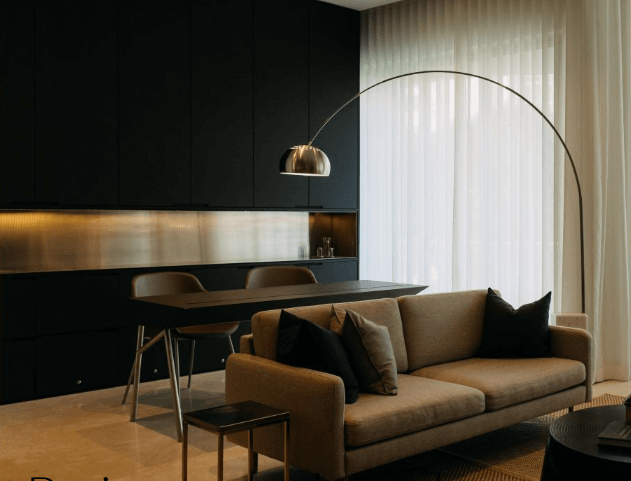
As Singaporeans continue to spend more time at home — working, socialising, relaxing, and living life fully indoors — the way we design our living spaces is evolving rapidly. From multifunctional layouts and wellness-centric design to expressive colour choices and eco-conscious materials, interior trends are balancing beauty, comfort, and purpose. Here’s a look at the most exciting home lifestyle trends for 2025 and 2026.
-
Soft, Warm Minimalism
Minimalism isn’t disappearing, but it’s getting a warmer, more inviting evolution. Instead of stark, cold interiors, 2025–2026 homes are embracing soft minimalism — spaces that are uncluttered but comfortable and lived-in, using gentle neutrals like creamy whites, sandy beiges, and muted earth tones. Textured fabrics like linen and bouclé, along with wood accents, add depth without overwhelming simplicity.
This approach resonates especially in Singapore’s compact units, where serenity and calm are key to everyday living.
-
Functional, Multi-Purpose Living
With hybrid work now a long-term reality, homes are flexing to match. Rooms once dedicated to one function are becoming multipurpose zones. Think:
- work-from-home setups that double as guest rooms,
- dining tables that convert to study desks,
- sliding partitions that reconfigure spaces with ease.
These flexible layouts maximise utility in smaller HDB and condo homes while improving daily comfort.
-
Smart Homes, Seamlessly Integrated
Technology continues to play a bigger role in interior design — but in 2026’s vision, it’s invisible tech that steals the show. Smart lighting systems, automated climate control, built-in charging and voice-activated appliances blend discreetly into beautiful interiors, creating convenience without visual clutter.
This trend reflects Singapore’s tech-savvy lifestyle: homes that work around you, not the other way around.
-
Biophilic Design: Nature Indoors
Bringing natural elements inside remains strong. Singapore homes increasingly feature:
- indoor plants and green walls,
- natural stones and wood textures,
- diffused natural lighting and organic curves.
Biophilic design fosters wellness by creating calming, nature-connected spaces — especially valuable in urban environments.
-
Sustainable & Conscious Living
Eco-friendly design has shifted from trend to values-led choice. Homeowners are choosing:
- VOC-free paints and low-formaldehyde materials,
- recycled, bamboo or sustainably sourced wood,
- furniture and finishes with long lifecycles and low environmental impact.
This reflects broader lifestyle awareness about health, air quality, and environmental responsibility.
-
Curved Shapes & Organic Elements
Goodbye to rigid lines; organic curves are on the rise. Rounded sofas, arched doorways, and sculptural furniture soften spaces, creating flow and visual comfort. These shapes evoke ease, balancing structured urban interiors with relaxed, fluid design.
Curves also pair beautifully with textured materials, reinforcing a sense of warmth and hospitality.
-
Expressive Colour and Earthy Palettes
While neutrals are foundational, richer palettes are emerging:
- Earthy tones like terracotta, olive, clay and deep greens add personality and grounding energy.
- Accent colours — from cool blues to muted ochres — lend depth without overpowering calm interiors.
These hues reflect comfort, sophistication, and a stronger emotional connection to space.
-
Textural Layers & Statement Features
Design in 2025–2026 goes beyond flat surfaces. Expect to see:
- textured wallpapers and slatted wood panels,
- tactility through textiles like boucle or plush rugs,
- statement lighting and sculptural installations.
Such elements add dimension and sensory richness, making spaces more engaging and personalized.
-
Wellness-Focused Zones
Beyond aesthetics, homes are being shaped as wellness sanctuaries. Quiet nooks for meditation, small reading corners, spa-like bathrooms, and calming bedroom retreats reflect a growing desire for spaces that support mental and physical well-being.
-
Personal Style & Nostalgic Statements
Finally, personalization is key. Vintage accents, artisanal decor, curated keepsakes, and thoughtfully chosen furniture tell a story — making each home feel distinct rather than cookie-cutter. Nostalgic touches, like reinterpretations of classic forms or collectible pieces, add soul to modern interiors.
A Future of Stylish, Purposeful Living
Singapore’s home trends for 2025–2026 are about balance: quiet luxury without excess, tech with tactility, functionality with beauty. Whether you’re planning a full renovation or a thoughtful refresh, these trends offer both aesthetic inspiration and practical guidance for creating homes that feel contemporary, comfortable, and genuinely you.


Leave a Reply
Want to join the discussion?Feel free to contribute!